


WordPress Theme Development: Best Practices for Building Custom Themes

Understanding WordPress Theme Development: Purpose and Value
WordPress theme development is the process of designing and coding templates, styles, and structural elements that define how a website looks and behaves. A theme controls layout, typography, navigation, and the presentation of content, making it a central component of the entire user experience. Unlike pre-built templates, custom themes allow developers to shape every detail according to project goals and audience expectations.
The growing demand for unique websites has made custom theme development increasingly important for blogs, business platforms, portfolios, and eCommerce projects. A well-built theme improves performance, enhances SEO, and ensures that the website aligns with brand identity and functional requirements. Building a theme from scratch also provides full control over the codebase, which simplifies future updates and reduces dependency on third-party solutions.

Why WordPress Development Has Multiple Approaches
One of the most distinctive aspects of WordPress is the variety of development approaches available. Two different WordPress sites can offer completely different editing experiences because developers choose different themes, frameworks, and content management methods. This flexibility is both a strength and a challenge, as there is no single standard workflow for building a WordPress website.
Although coding standards regulate how code should be written, they do not dictate how content should be managed or how themes should be structured. As a result, developers must carefully evaluate project requirements before selecting a development approach that ensures long-term stability and scalability.

Main WordPress Theme Development Approaches: Overview
Modern WordPress development typically falls into several core categories, each with its own strengths and limitations. Choosing the right approach requires balancing flexibility, performance, ease of editing, and scalability.
Key development approaches include classic themes, block themes, hybrid themes, page builder-based solutions, and headless WordPress architecture. Each of these approaches solves different technical and business challenges, which is why developers must align their choice with the project’s complexity and long-term maintenance strategy.

Classic Themes: Traditional WordPress Development
Classic themes represent the traditional way of building WordPress websites using PHP templates and structured content management. Developers rely on the template hierarchy to control how different types of content are displayed across pages and archives. This approach allows precise customization and is widely used in enterprise and complex projects.
While classic themes require strong backend knowledge, they provide maximum flexibility and full control over the system, making them a reliable solution for advanced WordPress development.

Block Themes and Full Site Editing: Modern Visual Development
The block editor introduced a new development philosophy in WordPress by allowing entire websites to be built using reusable content blocks. Full Site Editing enables developers and content creators to manage global elements such as headers, footers, and layouts directly through the visual interface.
This approach simplifies development workflows and reduces the need for constant coding, making it easier for teams to maintain and update websites over time.

Hybrid Themes: Balancing Control and Flexibility
Hybrid themes combine the strengths of classic and block-based development approaches. Developers maintain control over complex logic and structured data while still providing a modern editing experience through blocks. This balance allows for efficient content management without sacrificing performance or flexibility.
Hybrid themes are particularly useful for professional projects where stability and user-friendly editing must coexist within the same system.

Page Builders: Visual Editing with Tradeoffs
Page builders focus on drag-and-drop editing and allow users to create layouts without coding. This makes them popular among small businesses and non-technical users who want full control over website design and content structure.
Despite their convenience, page builders often introduce performance overhead, dependency on proprietary systems, and limitations in scalability, which developers must consider before choosing this approach.

Headless WordPress: Decoupled Architecture
Headless WordPress separates the backend content management system from the frontend interface, allowing developers to use modern frameworks for building fast and scalable user experiences. WordPress handles content storage, while the frontend is delivered through a separate application.
This architecture improves performance, increases security, and supports modern development workflows, but it requires advanced technical knowledge and careful system integration.

Essential Skills for WordPress Theme Developers
Developing WordPress themes requires a combination of frontend and backend technical skills. Developers must understand how design, functionality, and system architecture interact to create stable and maintainable solutions.
Key competencies include HTML and CSS for layout and styling, PHP for template logic, JavaScript for interactivity, knowledge of WordPress structure, responsive design principles, and version control systems for managing code changes.

Core Theme Files and Structure
Every WordPress theme begins with a minimal structure that allows the system to recognize and load it correctly. The core files define the layout and styling of the website and serve as the foundation for further development.
The main components include the primary template file and the stylesheet containing theme metadata. Additional files extend functionality and enable advanced customization of content and layout.
Block Patterns and Reusable Components
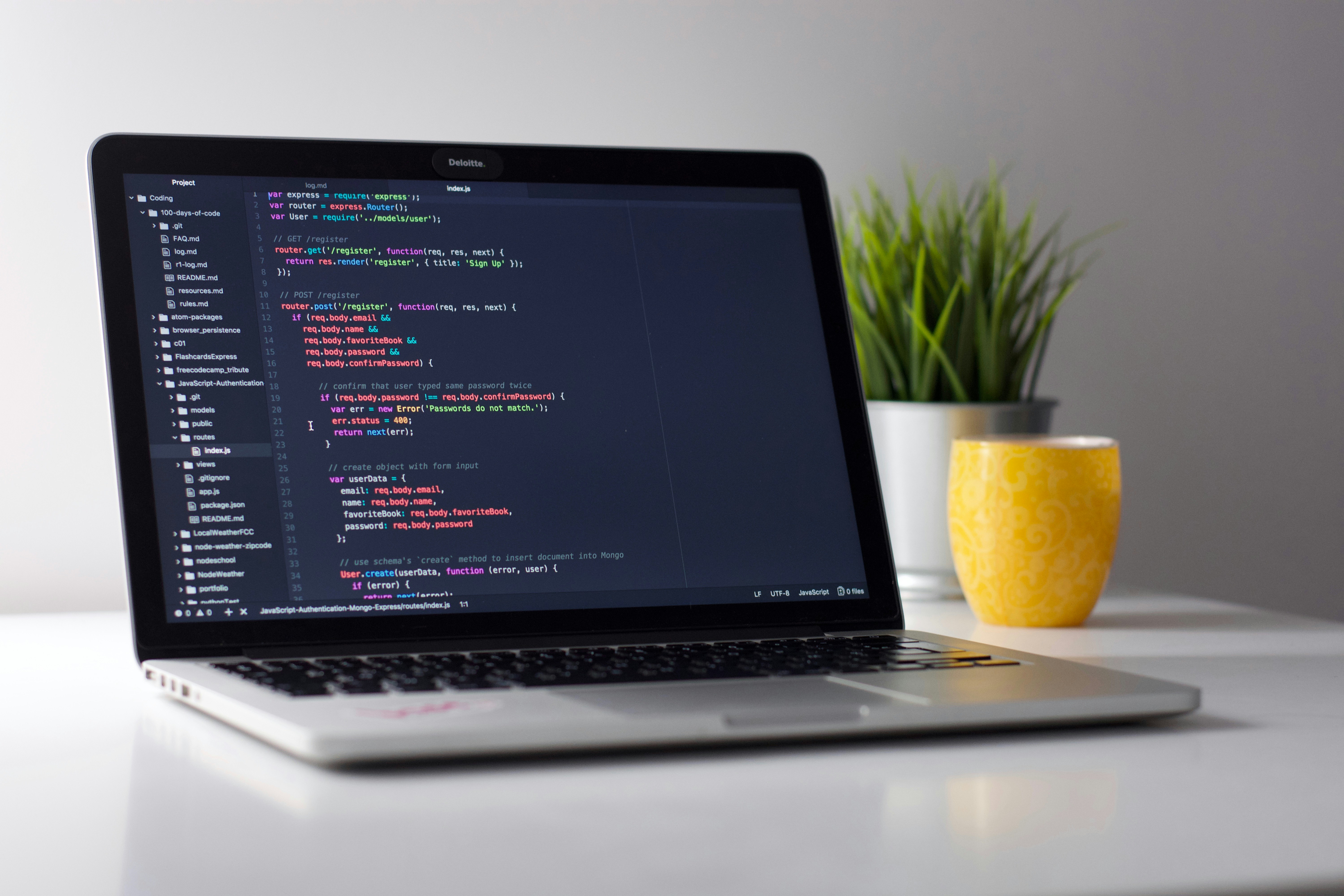
Reusable components help maintain consistency and speed up development in modern WordPress themes. Block patterns provide ready-made layouts that can be inserted into pages, while reusable blocks allow global updates across multiple sections of the website.
This approach reduces repetitive work, ensures design consistency, and improves the overall efficiency of content management.
Step-by-Step Process for Building a Theme from Scratch
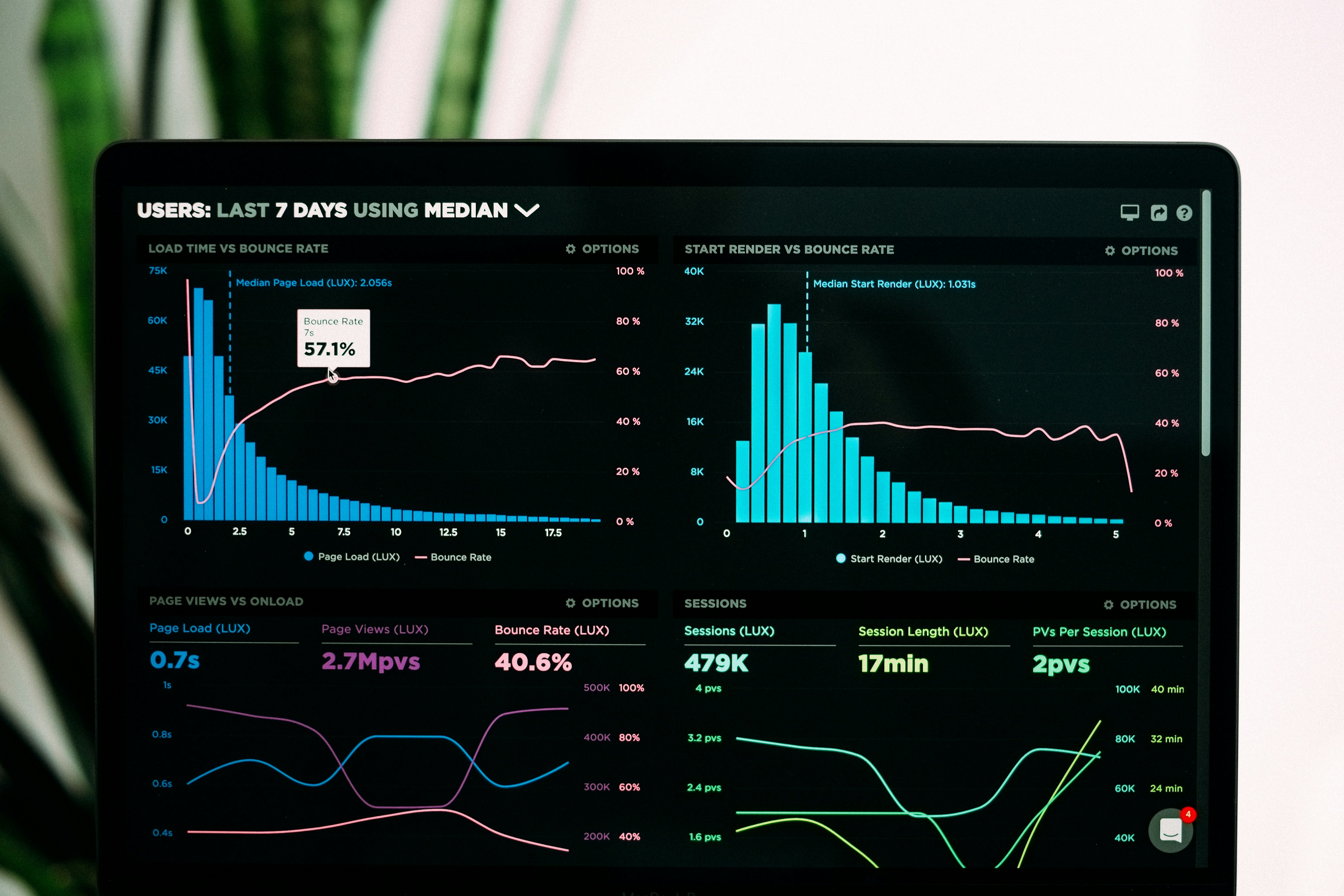
Building a WordPress theme from scratch requires a structured workflow that guides developers through planning, implementation, and testing. Each stage of development focuses on a specific aspect of the system, ensuring that the final product is stable and functional.
The process typically includes planning the structure, setting up a development environment, creating core files, building templates, applying styles, integrating dynamic content, testing performance, and deploying the final version.
Choosing Development Tools and Environment
A well-organized development environment improves productivity and reduces errors during theme creation. Developers use local servers, code editors, and version control systems to test and refine their work before deploying it to live servers.
Professional tools allow efficient debugging, code management, and performance testing, ensuring that the theme meets technical and quality standards.
Optimizing WordPress Themes for Performance
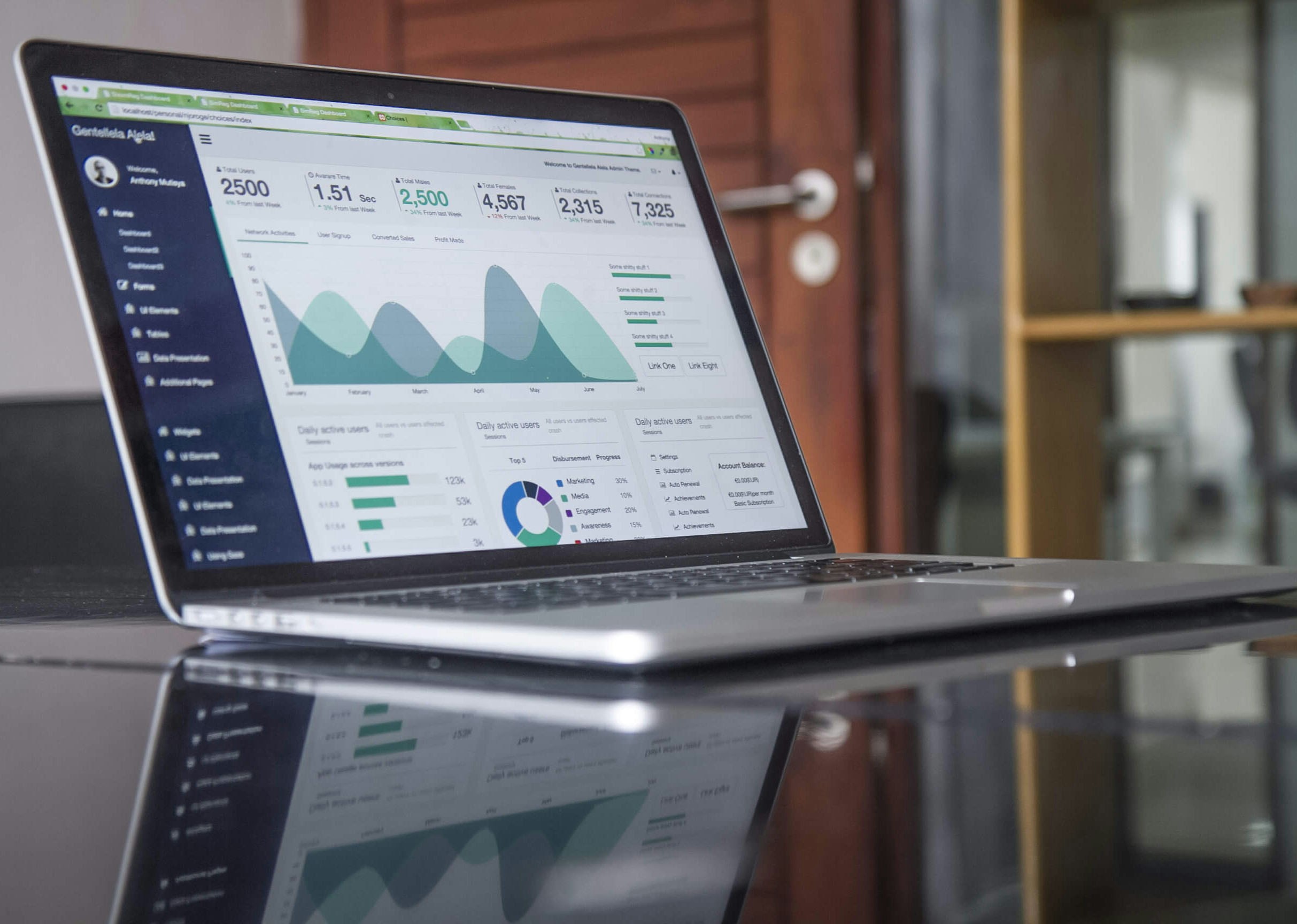
Performance optimization is essential for delivering fast and responsive websites. Efficient themes reduce loading times, improve search engine rankings, and provide a better user experience for visitors.
Optimization techniques include minimizing scripts, compressing images, using caching, implementing lazy loading, and reducing unnecessary code to ensure smooth performance.

User Experience and Industry-Specific Customization
A successful WordPress theme must be tailored to the needs of its target audience and industry. Different types of websites require different design and functional solutions to ensure usability and effectiveness.
For example, eCommerce websites require product-focused layouts, business websites need structured service sections, and blogs must prioritize readability and content organization. Industry-specific customization improves engagement and overall user satisfaction.

Testing, Deployment, and Maintenance
Testing and deployment are critical stages of WordPress theme development. Before launching a website, developers must ensure compatibility across browsers, devices, and screen sizes to guarantee stable performance.
After deployment, regular updates and maintenance are required to keep the theme secure, compatible with new WordPress versions, and aligned with evolving technical standards.